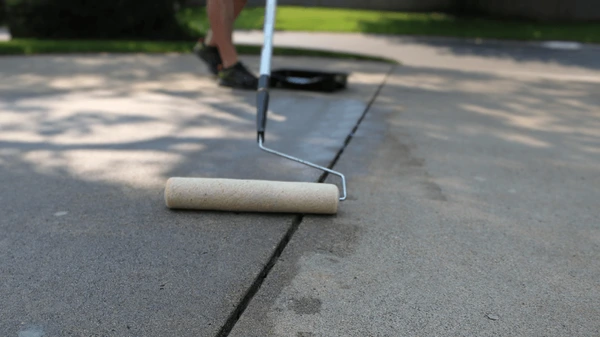
Driveway cleaning makes your concrete look brand new. Sealing is what keeps it that way. If you've ever had your driveway cleaned only to watch the stains and dark spots creep back within a few months, sealing is almost certainly the missing step in your maintenance routine.
What Sealing Actually Does
Concrete is porous by nature — it absorbs water, oils, and contaminants the way a sponge would. Over time, those absorbed materials feed biological growth and cause deep staining that gets harder to remove with each passing season. Sealing creates a protective barrier on and just below the surface that significantly slows that absorption process. In Mount Juliet's humid climate, that protection makes a measurable difference in how long your concrete stays clean.
It's important to understand that sealing isn't a permanent fix — it's a maintenance layer that needs to be reapplied periodically. But even a basic sealing application can dramatically extend the time between professional cleanings and keep your driveway looking sharper for longer.
Benefits of Driveway Sealing in Tennessee:
- Helps prevent algae and mildew from rooting into porous concrete
- Reduces oil and tire mark penetration so stains stay on the surface
- Protects against moisture absorption and freeze/thaw stress in winter
- Keeps your driveway looking cleaner for longer between professional washings
- Extends the lifespan of your concrete by reducing erosion over time
- Makes future cleaning easier and less costly
When Should You Seal After Cleaning?
Timing matters. Ideally, you want to seal after the concrete is fully cleaned and has had adequate time to dry — typically 24–48 hours in good weather. Spring through early fall is generally the best window because curing conditions are more stable. Sealer needs to cure properly to bond effectively, and cold or damp weather can compromise the application.
The most important rule: never seal dirty or damp concrete. Sealing over algae, oils, or moisture traps those contaminants beneath the surface and locks the problem in rather than protecting against it. A thorough professional cleaning first is what makes sealing actually worth the money.
How Long Does Sealing Last?
Most driveways in Middle Tennessee benefit from resealing every 2–3 years, though that window varies based on traffic, sun exposure, and tree coverage. High-traffic driveways with turning vehicles may need resealing closer to every 18–24 months. Lightly used driveways in full sun can sometimes push to 3 years or more.
The Easy Test: Does Your Concrete Still Bead Water?
You don't need special tools to know if your sealer is still working. Pour a small amount of water on your driveway. If it beads up and sits on the surface, your sealer is still active. If it soaks in quickly and darkens the concrete, the protective layer has worn down and it's time to reseal. This test takes ten seconds and tells you exactly where you stand.
Ready for Knockout Results?
Just cleaned your driveway? Protect the investment — ask about our driveway sealing options when you book.
Get a Free Quote